

Domestic violence doesn’t always look like what you see in movies. Sometimes it’s quiet. Sometimes it’s so woven into daily life that you don’t even recognize it for what it is. I’ve talked to enough foreign brides to know that the numbers behind this issue are both shocking and, sadly, not surprising.
What Domestic Violence Marriage Statistics Show Today?
The numbers are hard to ignore. According to the CDC, roughly 1 in 4 women in the United States experiences severe intimate partner physical violence during her lifetime. And that’s just the physical kind. Emotional abuse, financial control, and coercion don’t always make it into official reports, which means the real picture is almost certainly worse than what marriage statistics show on paper.
Globally, the World Health Organization reports that about 27% of women aged 15 to 49 who have been in a relationship have experienced physical or sexual violence from an intimate partner at least once. That’s more than a quarter of all women in relationships. Think about that for a second. And the rate climbs in regions where women have fewer legal protections or where cultural norms discourage reporting abuse.
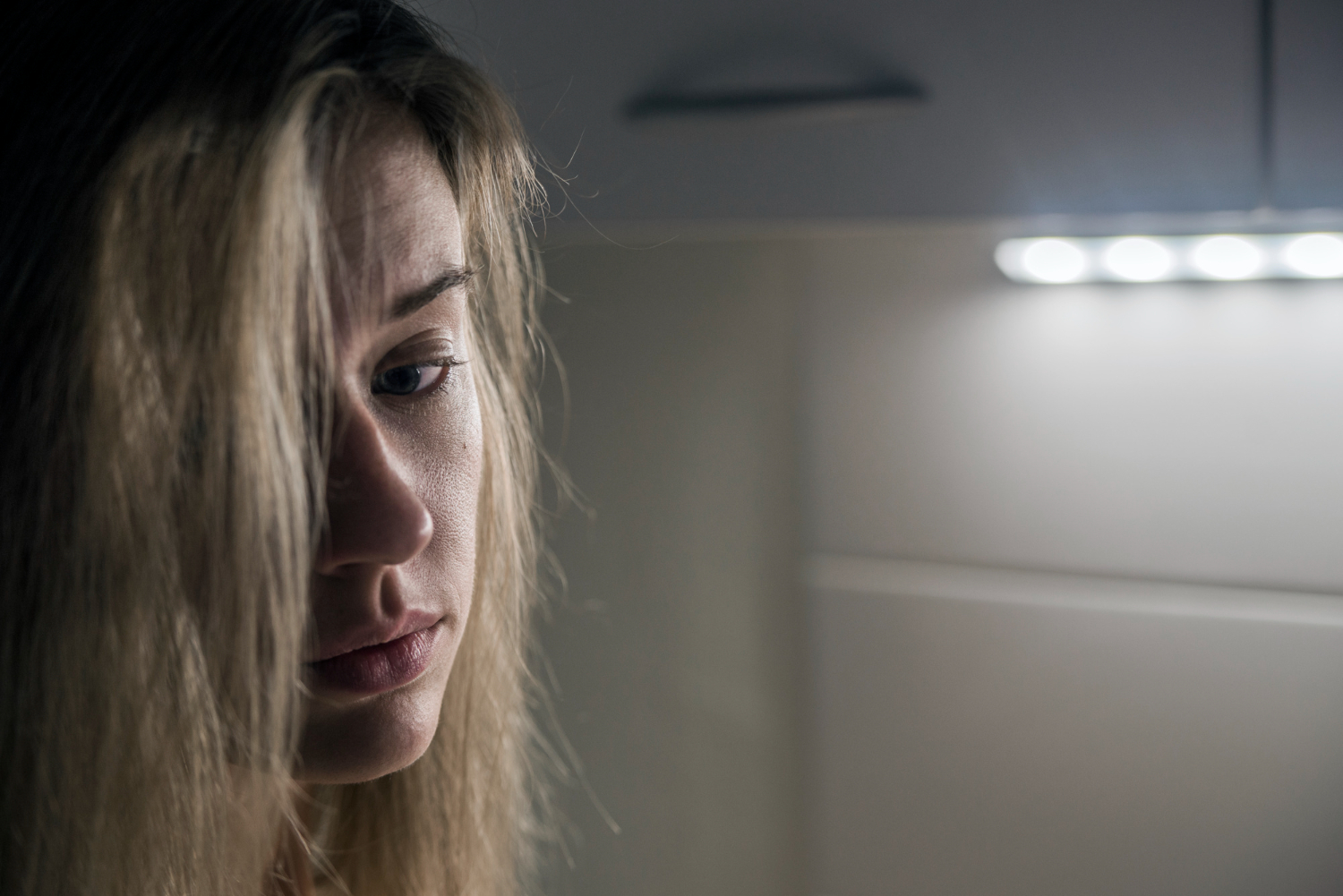
What makes domestic violence especially hard to track is that most incidents go unreported. Studies suggest only about 34% of people injured by intimate partners actually receive medical care. So the statistics we have are a floor, not a ceiling. The true scale of domestic violence in marriage is almost certainly far larger than what gets recorded.
How Husband and Wife Dynamics Fuel Abuse Patterns?
Not every difficult marriage becomes an abusive one. But certain dynamics do create conditions where abuse is more likely to take root. Power imbalances are a big one. A husband who controls all the household finances, limits his wife’s social contact, or makes all major decisions without input is already showing warning signs, even if no one has thrown a punch yet.
Research consistently shows that abuse often starts subtly. A critical comment here. A little jealousy there. By the time the pattern becomes obvious, the woman is often already isolated from the people who might help her see what’s happening. In my experience talking with survivors, most of them say they didn’t realize it was abuse until they were deep in it.
And the husband’s behavior isn’t always about rage. Sometimes it’s about control that feels like love at first. Wanting to know where you are, who you’re with, what you’re spending. That kind of monitoring can feel like attention early on. Later, it feels like a cage. Understanding these dynamics is a key part of reading domestic violence data correctly, because the statistics don’t always capture how abuse actually begins.

Why Foreign Brides Face Unique Domestic Violence Risks?
Foreign brides face a specific set of risks that women marrying within their own country often don’t. Language barriers, visa dependency, unfamiliarity with local legal systems, and distance from family and support networks all make it harder to leave an abusive situation. That’s not a reason to avoid international marriage. But it is something you need to go in knowing.
Women finding Ukrainian brides online or connecting with women from other countries through international marriage services should understand that the power dynamic in these relationships can be uneven from the start. A woman who depends on her husband for her immigration status is in a genuinely vulnerable position, and some abusers deliberately choose foreign partners because of that vulnerability.
There’s also the question of what expectations each partner brings to the marriage. Cultural differences around gender roles, household responsibilities, and a modern wife’s place in a relationship can create friction that, in some cases, escalates into something dangerous. Resources like information on what a bride price is can help both partners understand the cultural contexts they’re each coming from, which matters more than most people realize.
For women from Latin America and Asia, the risks can look different but are no less real. Women exploring options like Latin brides for marriage or Japanese brides should know that advocacy organizations in both regions report high rates of intimate partner violence, and that immigration status continues to be used as a tool of control in many cases.
What These Statistics Mean for Women Seeking Marriage?
Statistics aren’t meant to scare you out of wanting love. They’re meant to help you go in with your eyes open. If you’re looking for marriage, whether domestically or internationally, knowing the risk factors for abuse gives you real tools to protect yourself. That’s not pessimism. That’s just being smart.
Financial control, isolation from friends and family, extreme jealousy, and a pattern of minimizing your feelings are all documented warning signs. Women considering the real costs of international marriage should factor in not just the financial investment but the emotional and legal protections they’ll need if things go wrong.
And women who are foreign brides for marriage in a new country should, from day one, know their rights. Know what domestic violence resources exist locally. Know that in the U.S., for example, the Violence Against Women Act includes specific protections for immigrant survivors that allow them to self-petition for legal status independent of their spouse. That information could literally save your life.

How Divorce Rate Data Protects Men and Women?
Divorce gets a bad reputation. But the data around divorce rate for men who marry foreign brides and for women leaving abusive marriages tells a more complicated story. Divorce, in many cases, is a safety decision. And the numbers back that up.
Studies show that women who leave abusive marriages face a significantly higher risk of violence in the immediate period after separation. That’s a sobering fact. But staying doesn’t reduce long-term risk either. Research from the Bureau of Justice Statistics shows that intimate partner homicides are more likely in relationships where there’s an established pattern of abuse and where the victim has tried to leave before. So the risk is real on both sides of that decision.
For men, divorce data also tells a story worth paying attention to. Men who marry foreign brides and then experience a breakdown in the relationship sometimes find themselves handling legal systems they don’t fully understand, especially around custody or asset division across international jurisdictions. That’s a real complication that pre-marital legal counseling can help address.
- Document all incidents of abuse, including dates, times, and any witnesses.
- Keep copies of key documents like your passport, marriage certificate, and any financial records somewhere your partner can’t access.
- Know the local domestic violence hotline number before you need it.
- Build at least one outside relationship, a friend, a neighbor, a coworker, who knows your situation.
That said, divorce statistics shouldn’t be read as proof that marriage is inherently dangerous. Most marriages don’t involve abuse. The data is there to help you recognize when yours might be heading somewhere harmful, and to know that leaving is both possible and, in many cases, the right call.
The statistics on domestic violence in marriage aren’t just numbers. They’re patterns. And patterns can be learned, recognized, and interrupted. Whether you’re already married, newly engaged, or still looking for marriage, knowing this data puts real power in your hands. Don’t ignore it. Use it.