
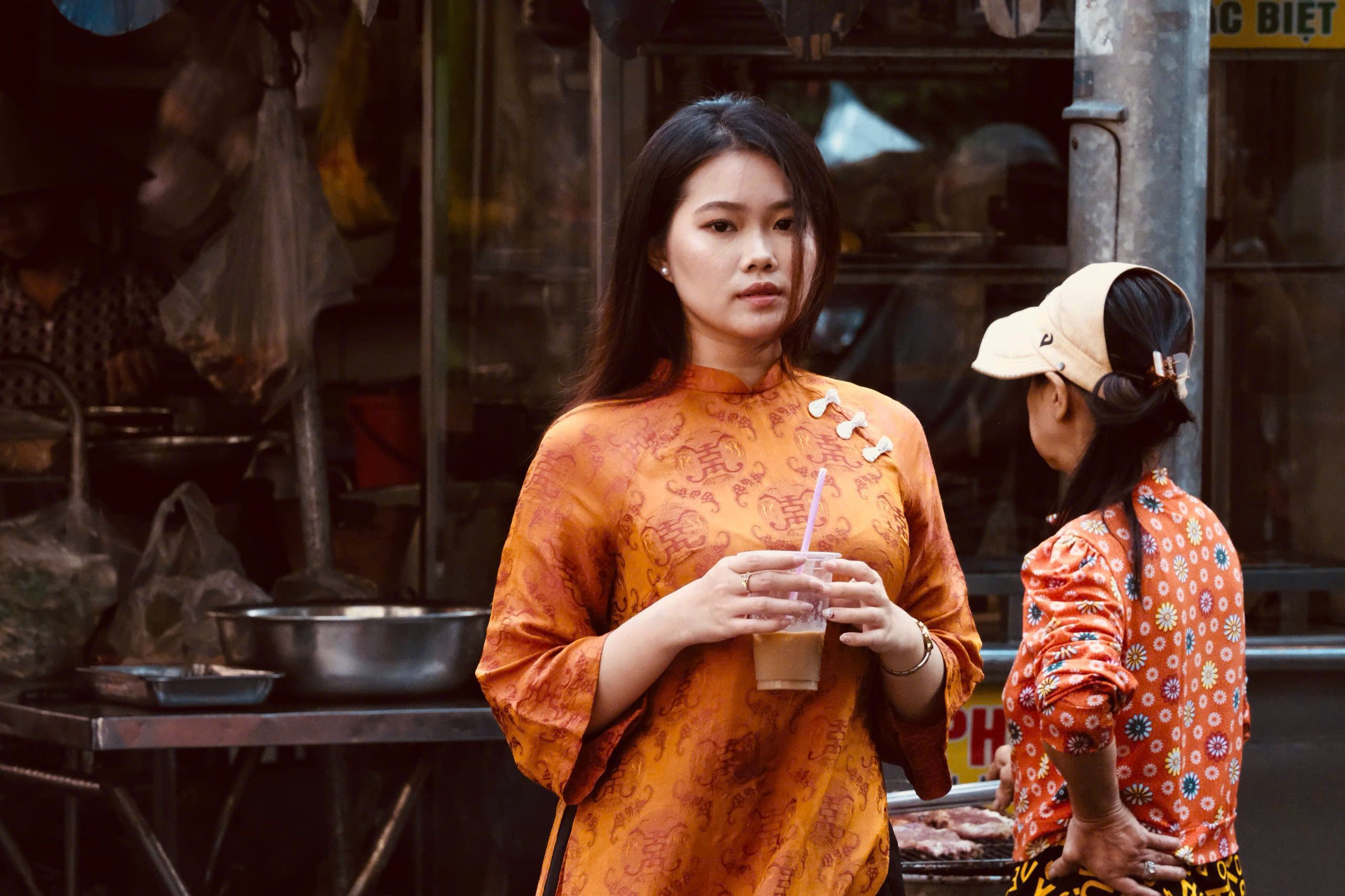
The age gap question in Vietnam marriages comes up often, and it deserves an honest answer rather than either reassurance or judgment. Vietnamese women do marry older Western men at rates that are statistically notable compared to domestic Vietnamese marriages and compared to international marriages in most other countries. The reasons behind this pattern are real, and they are more nuanced than either the cynical explanation or the romantic one captures accurately. Understanding what actually drives Vietnamese women toward older foreign partners requires looking at cultural context, economic reality, and individual values simultaneously rather than reducing it to any single factor.
What Vietnamese Women Actually Evaluate in a Foreign Partner
Vietnamese women for marriage evaluate foreign partners on a combination of qualities that do not map cleanly onto Western frameworks for romantic attraction. Stability is the primary filter, and in the Vietnamese context, it carries both economic and character dimensions simultaneously rather than one superseding the other. The economic dimension is real and worth acknowledging directly. Vietnam remains a developing economy despite rapid growth, and the material gap between a Vietnamese woman’s domestic options and a Western man’s baseline standard of living is significant. A Vietnamese woman from a rural province or a working-class urban background who marries a Western man is making a decision that will materially change her life and potentially her family’s life. That calculation does not make the relationship transactional, but pretending the economic dimension is irrelevant produces confusion rather than clarity.
The character dimension matters equally in practice. Viet women who have experience with both Vietnamese and foreign men consistently describe what they value in older Western partners in terms of emotional stability, respect for their individual identity, and a less controlling approach to partnership than they have experienced domestically. Vietnamese men of similar economic status are often described by Vietnamese women as more possessive, less communicative about emotions, and more likely to expect traditional domestic arrangements that urban Vietnamese women increasingly find limiting. An older Western man who has been through enough of life to have genuine equanimity represents something specific that age itself partly explains.
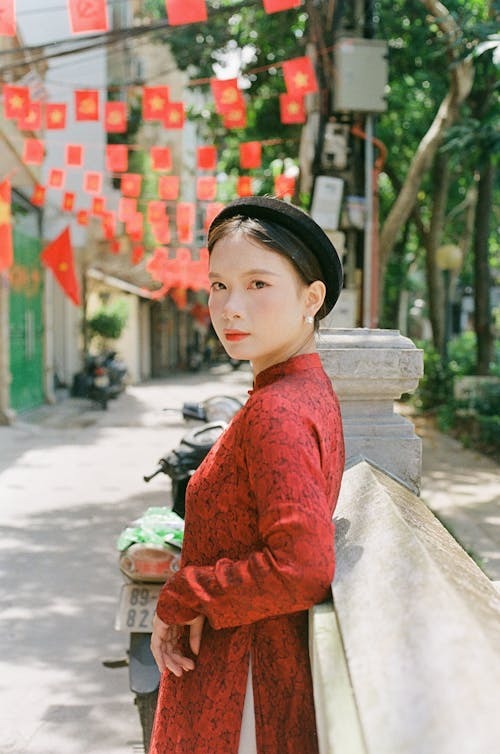
The age gap that is socially unusual in Western contexts is significantly less unusual in Vietnam. Vietnamese marriage culture has a tradition of accepting age differences between partners that would attract social comment in Europe or North America. A Vietnamese woman in her mid-twenties with a Western partner in his forties or early fifties is not navigating social stigma in her own community in the way her Western counterpart might be. That cultural normalization changes the calculus for Vietnamese women in ways that foreign men sometimes fail to account for when they assume that age is a barrier equivalent to what they experience at home.
Getting Married in Vietnam as a Foreign National
Getting married in Vietnam involves a specific legal process that foreign nationals need to understand before they are already emotionally committed and facing bureaucratic reality without adequate preparation. The process for Vietnam marriages involving a foreign national begins with document gathering. The foreign partner needs an apostilled birth certificate, a certificate of civil status confirming single status from his home country’s relevant authority, a valid passport, and in most cases, a health certificate from an approved Vietnamese medical facility. All foreign documents must be officially translated into Vietnamese by a certified translator and notarized. Documents have validity windows that expire, and starting the collection process late can result in documents aging out before the registration appointment.
Vietnam marriages are registered at the Department of Justice in the province where the Vietnamese partner is registered as a resident. This is not a flexible requirement. If she is registered in a rural province and living in Ho Chi Minh City, the registration must happen in the rural province unless her registration has been formally transferred. Processing times at provincial offices vary significantly, and the pace is determined by the local office rather than by the urgency of the couple.
After the Vietnamese marriage registration is complete and the marriage certificate is issued, the foreign partner’s home country needs to recognize the marriage for it to have legal effect abroad. This typically requires an apostille on the Vietnamese marriage certificate and, in some cases, additional consular authentication. The specific requirements depend on the foreign partner’s nationality and country of residence, and researching this before the wedding is strongly advisable rather than discovering the requirements after the fact.
Vietnamese marriages where the goal is spousal immigration to a Western country involve an additional layer of the immigration process. The United States requires either a K-1 fiancée visa before marriage or a CR-1 spousal visa after an overseas marriage, with processing times ranging from eight to eighteen months, depending on current USCIS backlogs. European countries have their own processes, with some requiring the foreign national to return home and apply for a partner visa on the Vietnamese wife’s behalf, rather than processing the immigration from within the country. Starting the immigration research before the marriage is the most common piece of advice from couples who navigated this successfully.
What Marrying a Vietnamese Woman Actually Looks Like in Practice
Marrying a Vietnamese woman means entering a family structure that will be present, involved, and important throughout the marriage in ways that Western men consistently underestimate on the front end. Vietnamese family obligations are not ceremonial. They are practical and ongoing. Her parents’ financial well-being, her siblings’ significant life events, and the broader extended family network’s expectations will all be real factors in her married life, and by extension in yours.
The men who navigate this well are those who engaged with the family genuinely, rather than tolerating the involvement as a cultural footnote. Learning her parents’ names and something of their history, contributing to family occasions with genuine participation rather than polite presence, treating the extended family as part of what he married into rather than as an external obligation he manages at arm’s length. These behaviors are noticed and weighted in ways that determine whether a Vietnamese woman feels her husband genuinely entered her world or merely accepted her presence in his.
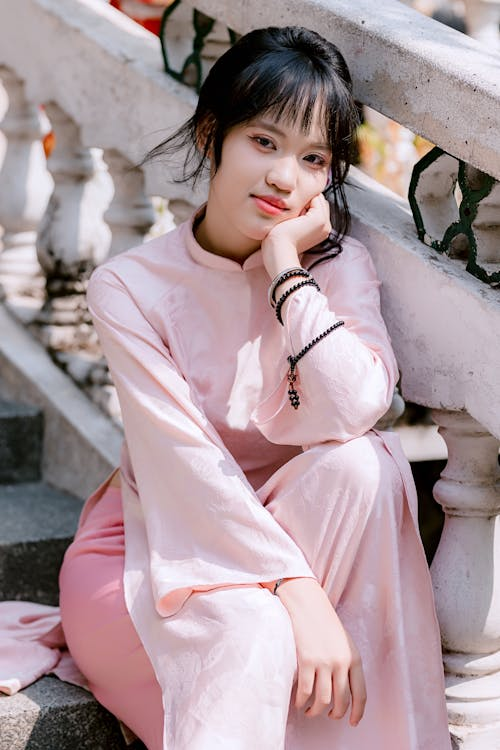
Vietnamese women are not uniformly traditional in their expectations around gender roles within marriage. Urban Vietnamese women in Ho Chi Minh City and Hanoi, particularly those with university education and professional careers, have expectations around partnership and domestic labor that are closer to Western models than the stereotype of Vietnamese wives suggests. Rural Vietnamese women and those from more conservative family backgrounds maintain more traditional orientations. Generalizing about Vietnamese women as a uniform category misses variation that matters in practice, and a specific woman’s background tells you more than her nationality does.
Language is the honest answer that most men resist. Vietnamese is genuinely difficult for speakers of European girls on languages, with tonal pronunciation that takes sustained practice to produce correctly. Full fluency is not a reasonable expectation for a foreign man early in a relationship with a Vietnamese woman. But the attempt matters, and Vietnamese women respond to genuine effort with a warmth that is difficult to produce through any other means. Even basic Vietnamese, spoken imperfectly but sincerely, signals a level of respect for her cultural origin that cannot be replicated through English fluency alone.
The Long-Term Reality of Vietnamese Marriages With Foreign Men
Vietnamese marriages between foreign men and Asian women that last and remain genuinely satisfying share characteristics that are worth identifying directly. The couple had honest early conversations about what each person wanted from the marriage, including the economic and practical dimensions that polite romantic framing tends to defer. The foreign partner invested in understanding her cultural context rather than expecting her to fully adapt to his. The relationship with her family was engaged with genuine interest rather than managed as an obligation.
Vietnamese marriages that struggle tend to struggle for predictable reasons. The foreign partner underestimated what a genuine partnership with a Vietnamese woman requires in terms of family engagement, emotional presence, and cultural investment. The Vietnamese partner had expectations about the material dimensions of the marriage that were not explicitly discussed, and that created resentment when they remained unmet. The practical complexity of immigration and cross-border life was addressed reactively rather than proactively, and the resulting strain on both partners accumulated faster than the emotional foundation could absorb.
Do Vietnamese women for marriage prefer older Western men? Some do, for the specific reasons that the data and the women’s own accounts describe. The preference is not universal, and it is not primarily about age as an intrinsic quality. It is about what older Western men tend to represent in terms of stability, emotional maturity, and a relationship approach that specific Vietnamese women find more aligned with what they want than their domestic alternatives. The men who understand this honestly are in a better position to offer what they are actually being evaluated on than those who either inflate or deflate the role that age plays in the dynamic.